CamOnCommerce.com. Posts here are related to work and business in one way or another. I own and have invested in many retail and technology companies and sometimes I have something insightful or interesting to say on the subject of business.
This is part of the 2019 DRAFT series. These are posts that I started but didn’t finish. I usually have no idea why I was writing them at all, but they needed to be released into the wild so as not to clutter up my “draft” box.
Owning a business occasionally gives me some interesting insights (at least I find them interesting). One thing that chronically reoccurs here at work is something I refer to as “blind-solving.” When a problem pops up – both in business and in every day life – our tendency is to address the problem and attempt to fix it. When creating a system we, as moral and rational beings, don’t like problems and wouldn’t knowingly create or introduce a problem (I’m sure I’m not speaking for everyone here). Sometimes solving a problem is time consuming, complicated and expensive. And in the process of correcting the issue we are actually creating a new problem that we completely ignore: the cost of the solution is more than the cost of the problem.
One of my favorite examples of this situation involved a particular product we carry. It’s somewhat fragile and we ship them in bubble envelopes. Customer service noticed that this product was often arriving at it’s destination damaged (based on customer feedback). To combat this reoccurring problem they proposed that the product be shipped in a sturdier box. This seems like an absolutely reasonable proposal and no one logical would even second guess it. However, upon closer inspection we discovered that the additional cost of better shipping would be more expensive than simply replacing (or refunding) the item when there was an issue.
Don’t pay more to fix costs than the problem costs you!
Business owners have a recurring fear: that something will stop working and cripple the business. And when we find a “problem” we act on it. How we act on it says a lot about what kind of leaders we are. I’m advocating something unorthodox- when problems are identified within a system they should, on occasion, be allowed and ignored.
Also, as much as I hate to say it, I think there are enough people out who are happy to take advantage of others’ time such that this article is warranted. I usually try and go out of my way to help friends, but I have cut back on what I’m willing to do for others. I think it has been beneficial for my own mental health.
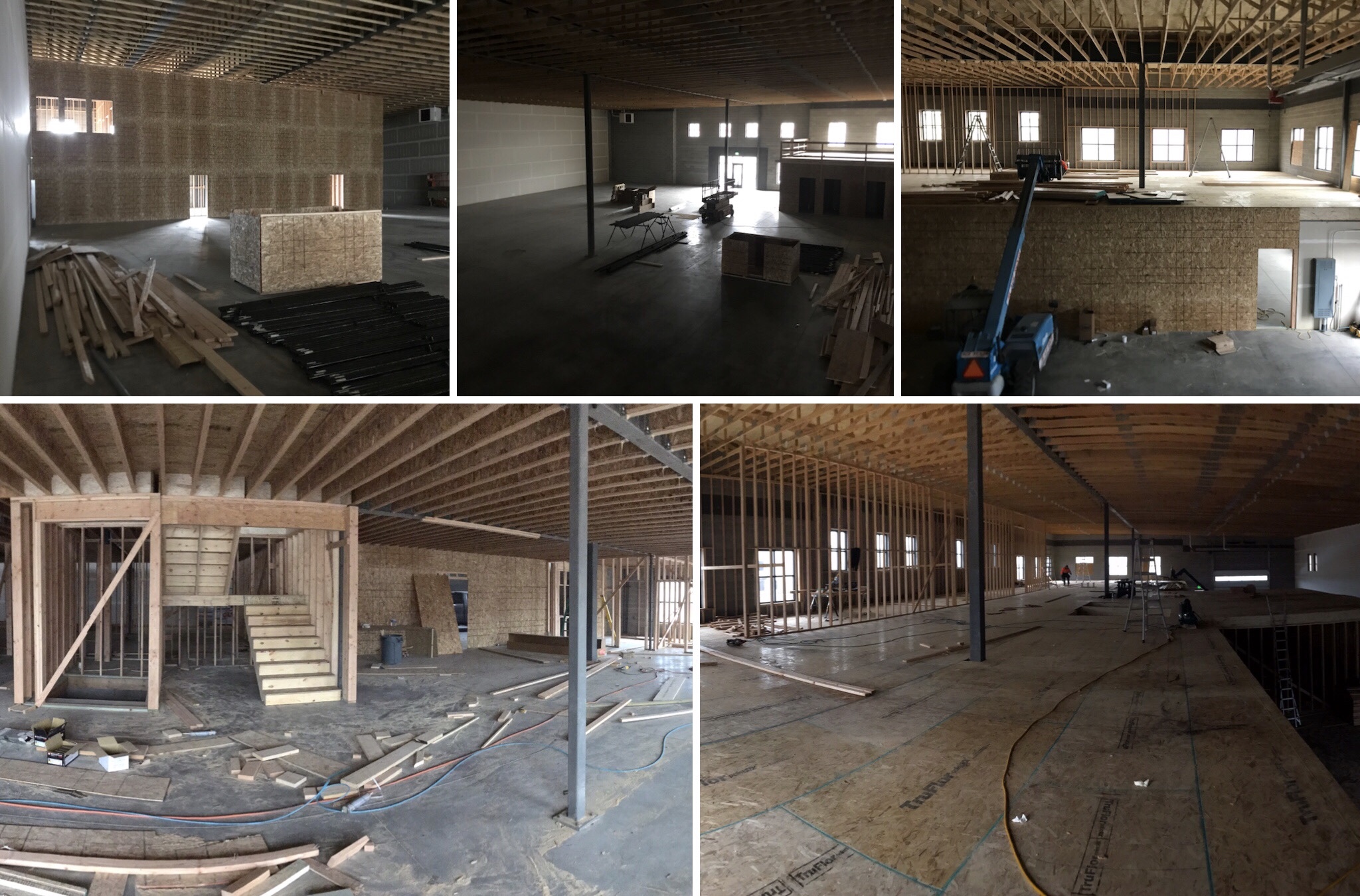
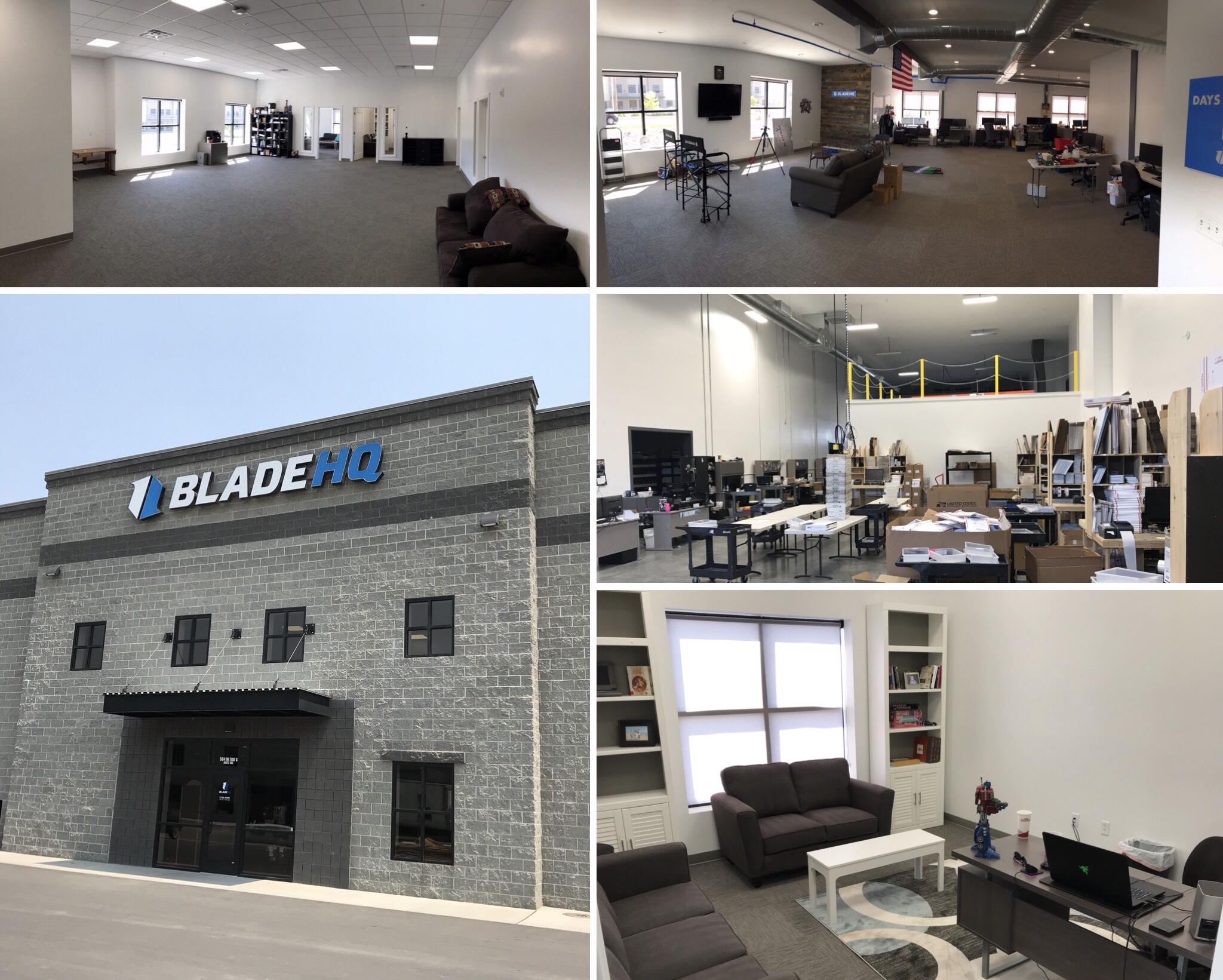
Here’s some sweet insider info. They’re in! It took a bit longer than anticipated, cost a lot more than expected and turned out even nicer than anyone had hoped. I love watching things like this come together! Here is a glimpse at some of the progress.
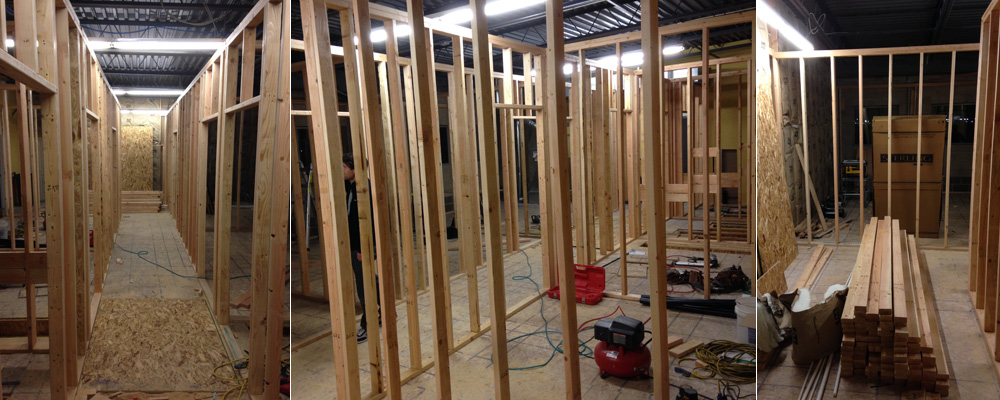
Framing started back in January of 2018.
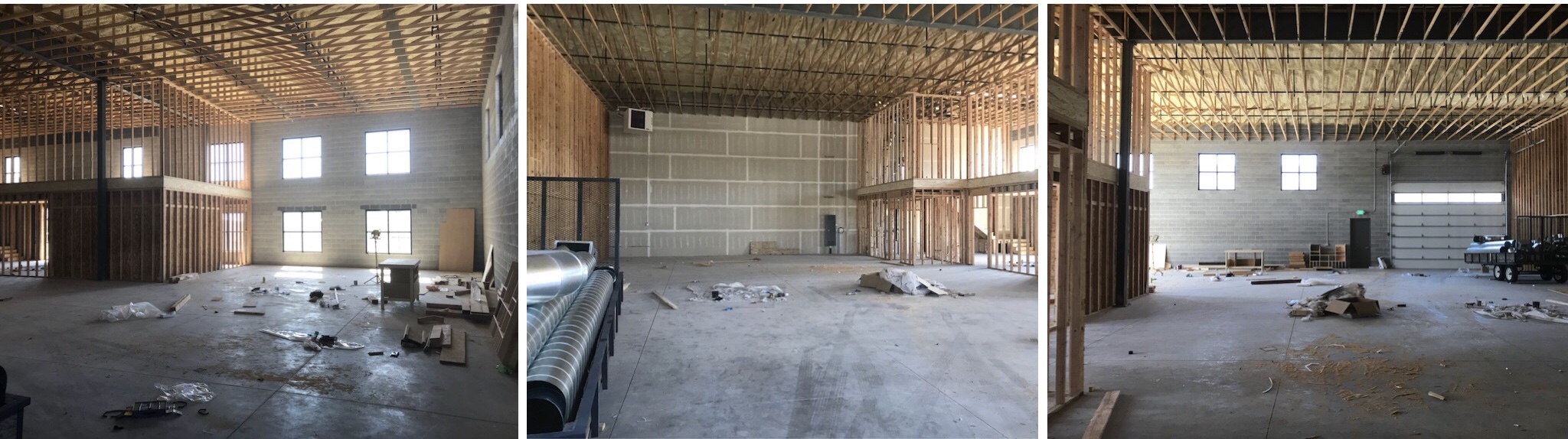
They built a larger shell than they actually needed which will give them option to have some rental units. This should help them generate a few extra bucks and simplifies the “need more space” problem that they have encountered in the past.
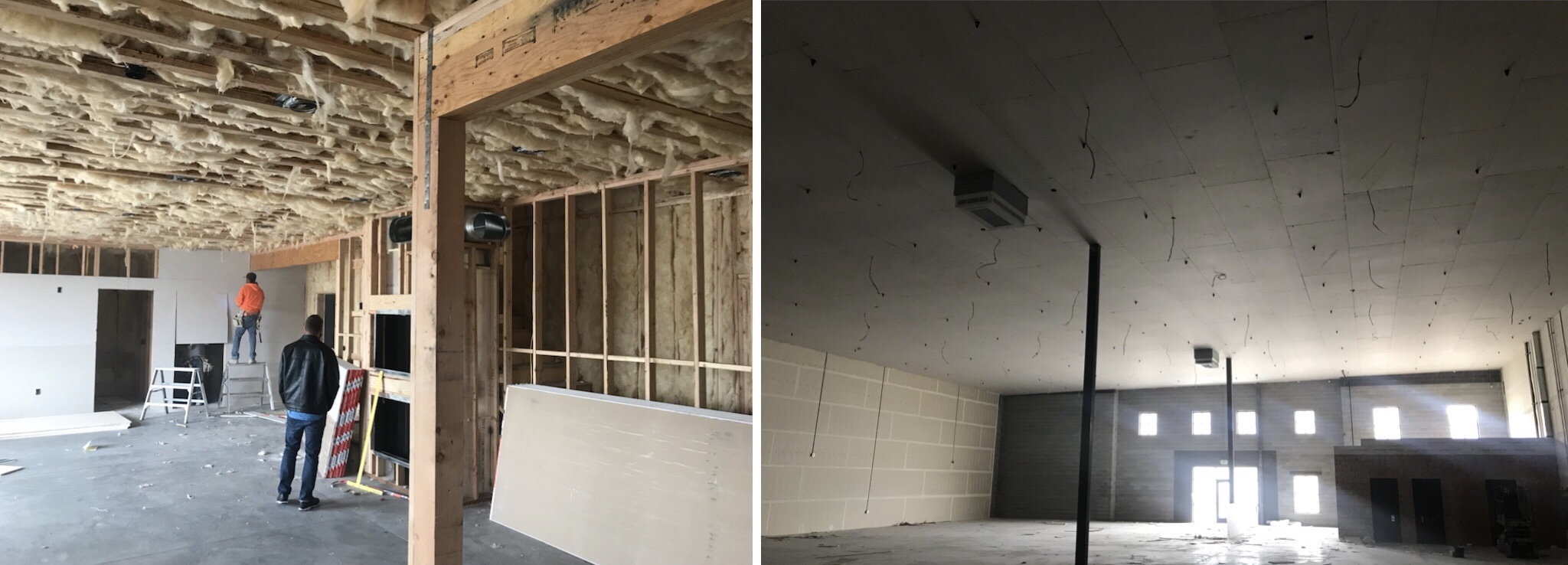
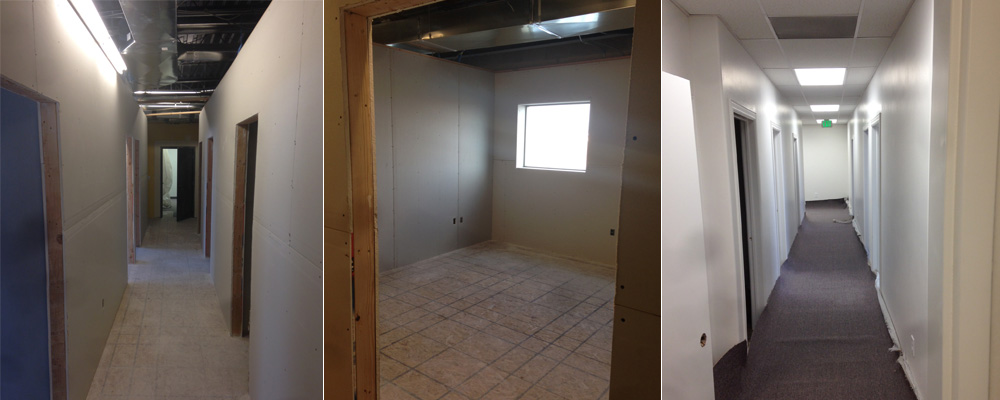
“Insulate it all!” I heard someone scream. The city required drywall on the warehouse ceilings. The rumor is that the owners cried in public but were secretly pleased. It’s a fantastic looking warehouse.
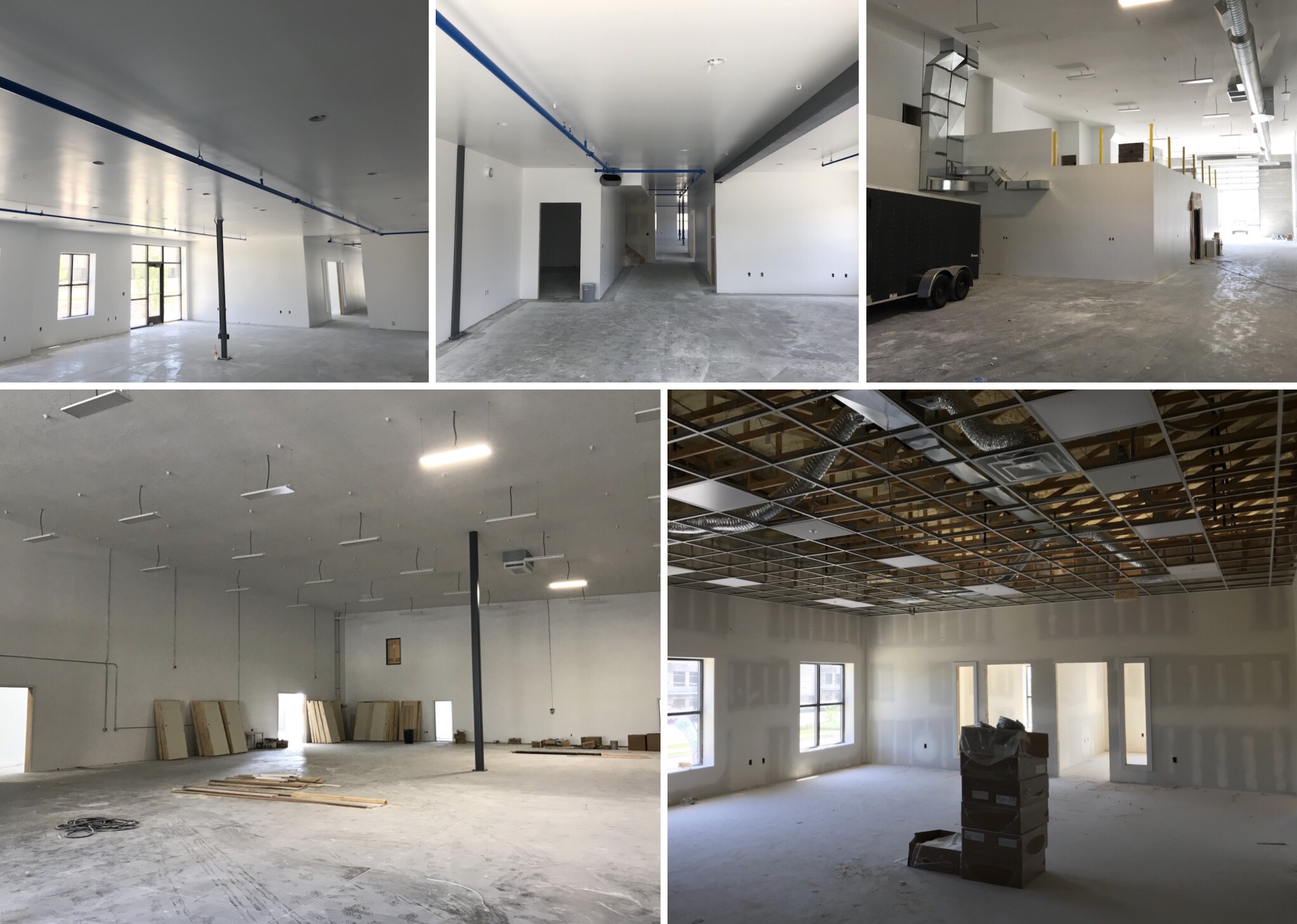
The drywall and painting getting done. This time they installed some real lightning in the warehouse (there’s a persistent rumor that in the last building people sometimes wore head lamps). Putting in the upstairs ceiling.
Moving Day! Here’s a time lapse I took of the new warehouse set up. The BHQ crew killed it.
I really like how the building came together. I rent an office in one of the upstairs wings (part of a company I’m starting). There’s still some move-in work to do and few things to tweak but I’m pretty pleased.
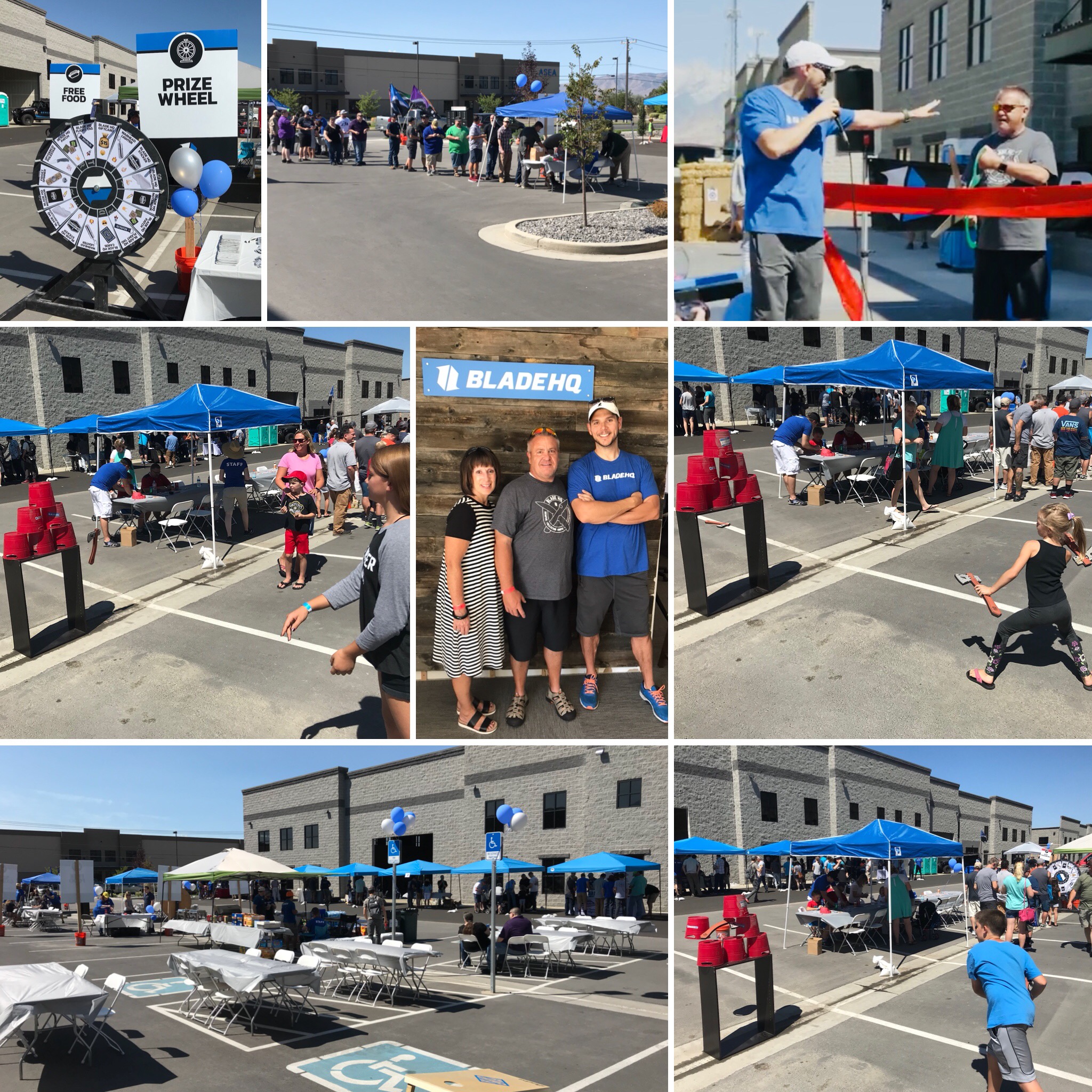
At the end of August Blade HQ celebrated the move with a grand opening party:
The turnout was really good (over 700 people showed up!). Blade HQ had manufacturers and makers attending, free food, games, contests and a legitimate grand opening hosted by Pleasant Grove officials. My buddy Vaughn (and the first in store customer ever) got to cut the ribbon and they even let me officiate in the ceremony. The family came out for a bit, threw a few axes, spun the prize wheel and then called it a day. I was so stoked to get a “STAFF” shirt that I stayed almost the entire time.
So here’s some business advice you didn’t ask for (I’m pretty sure I’ve given it before). If you have a business (or will have a business) with substantial space requirements then take the time to do some important math. Does it make financial sense to own your own building? Check out this excellent article for more advice on Buying vs. Leasing.
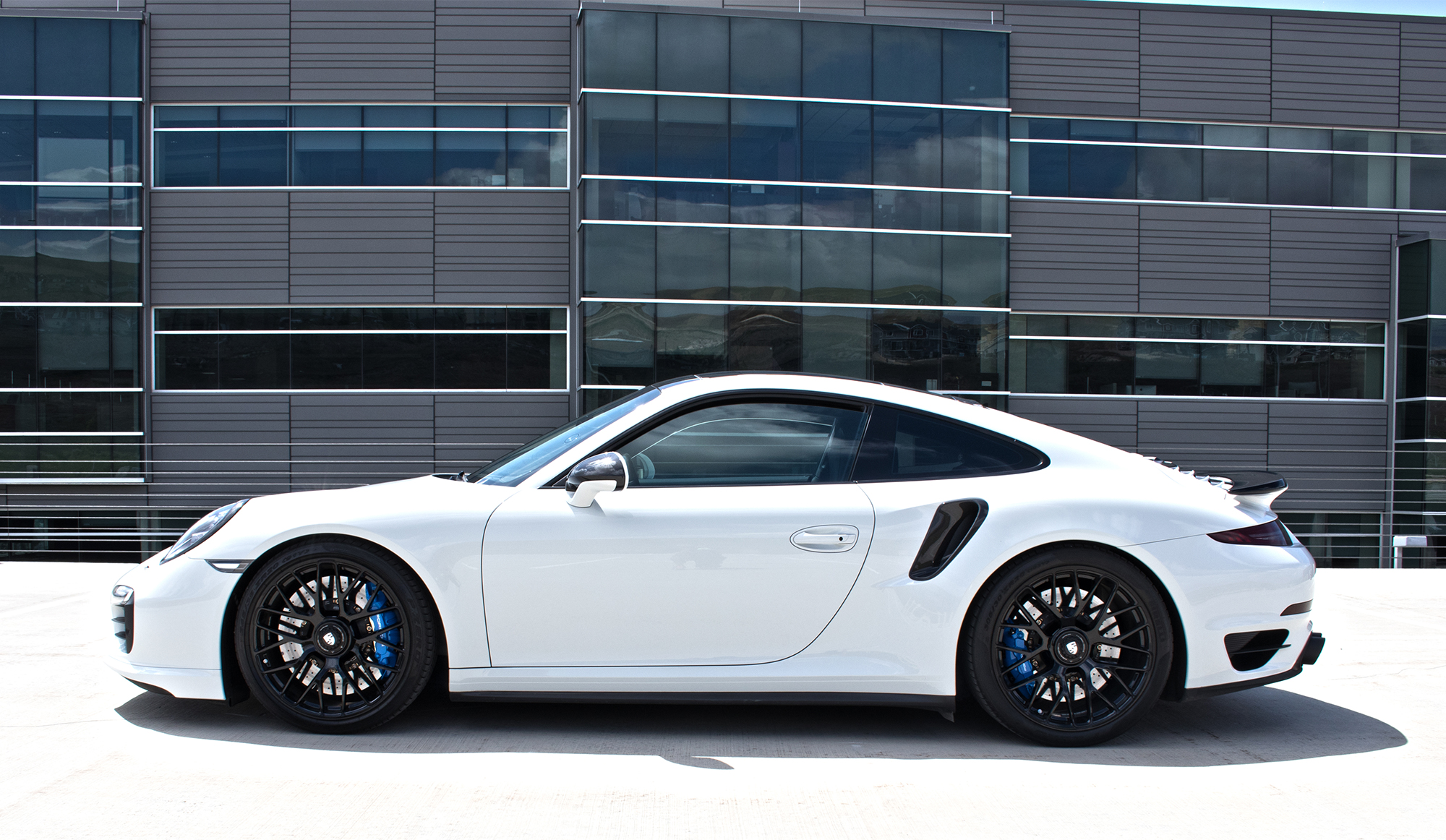
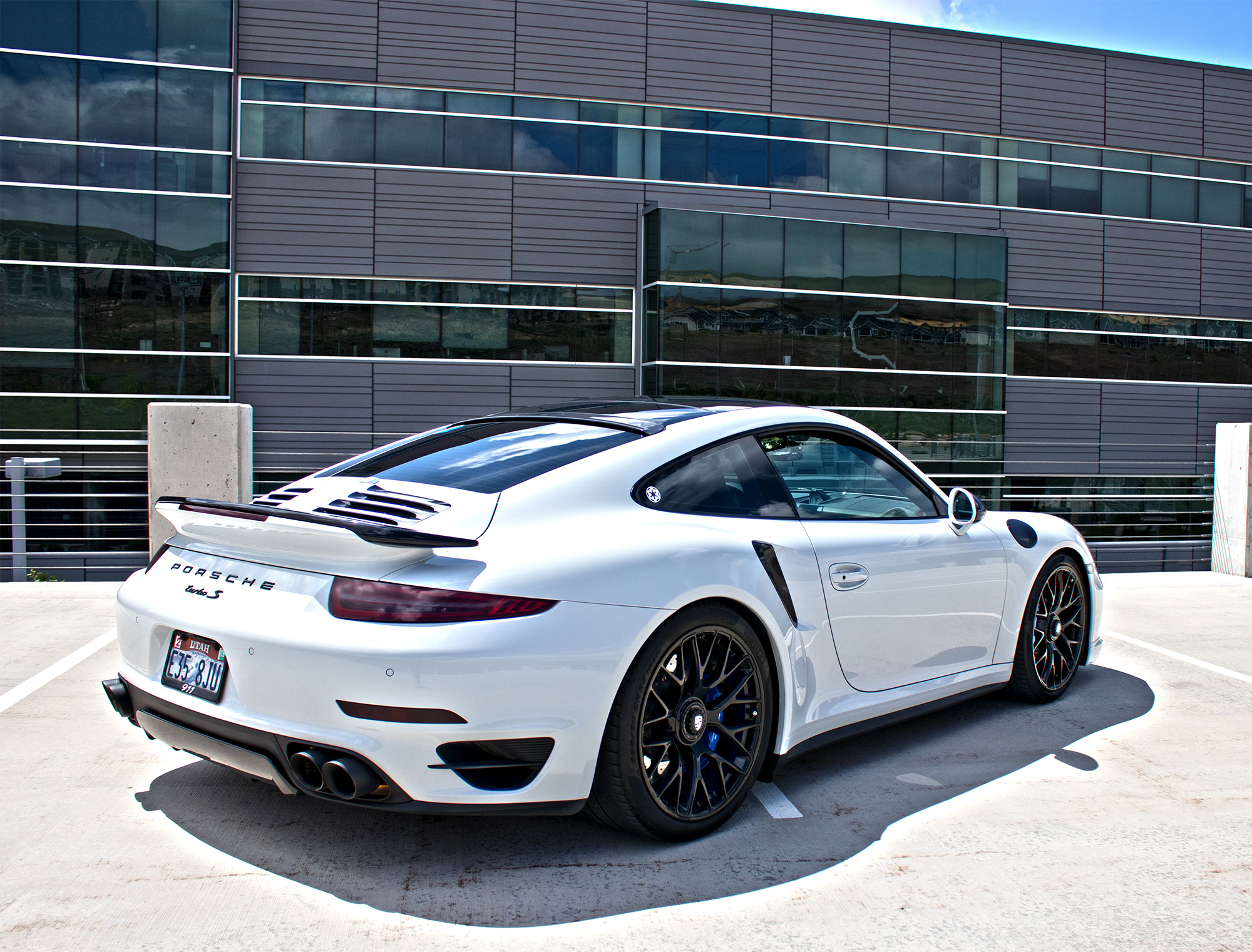
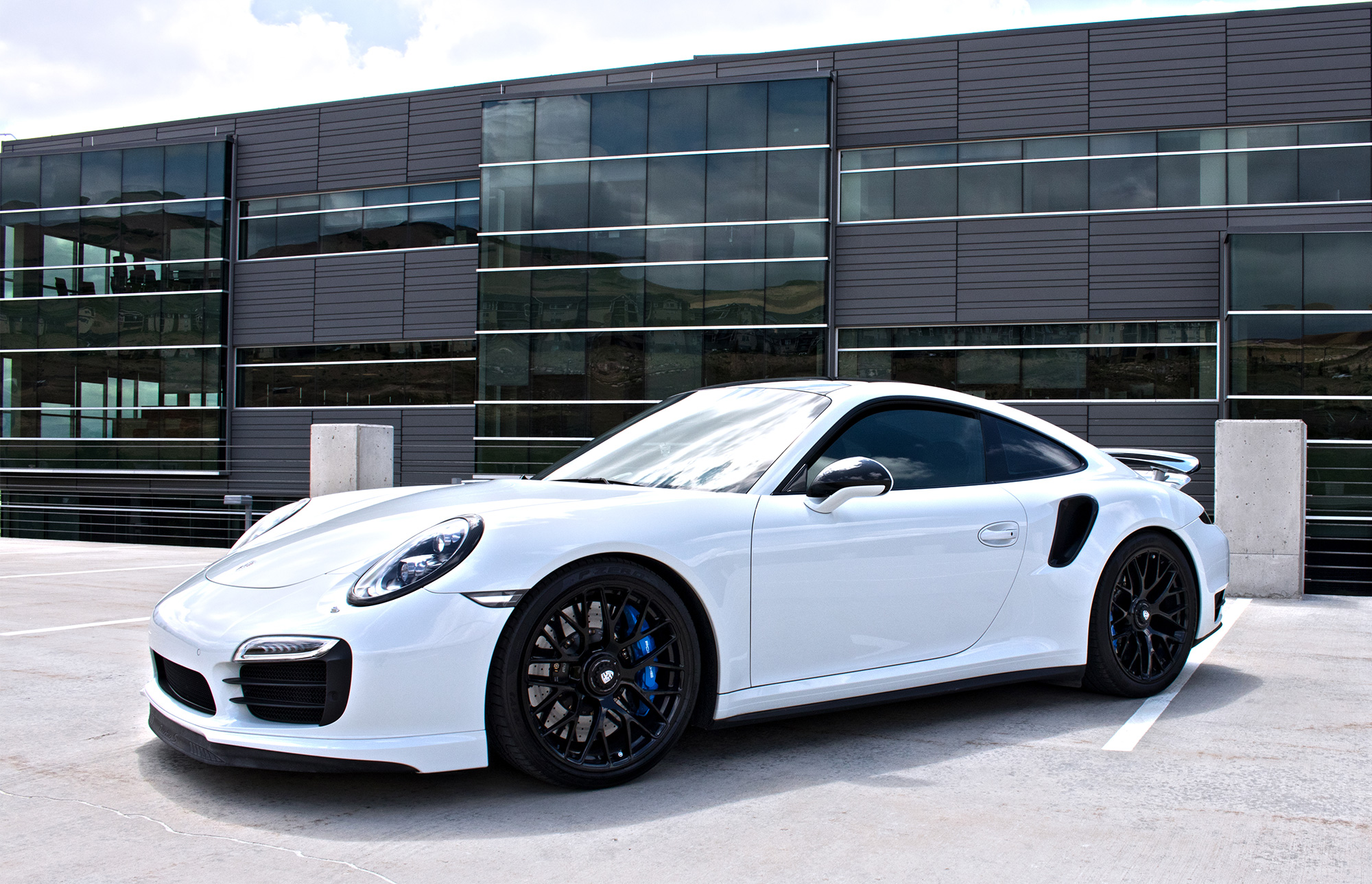
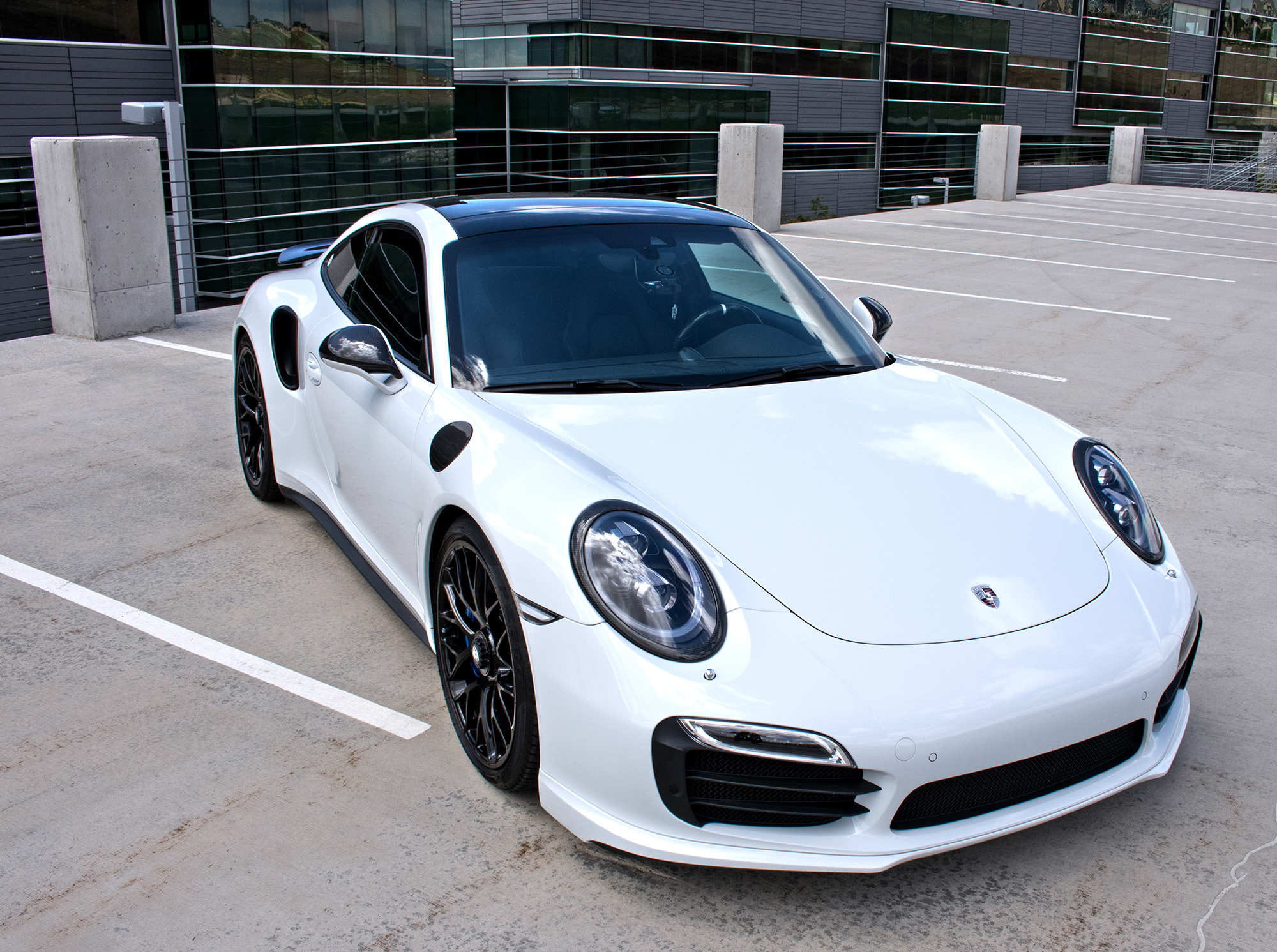
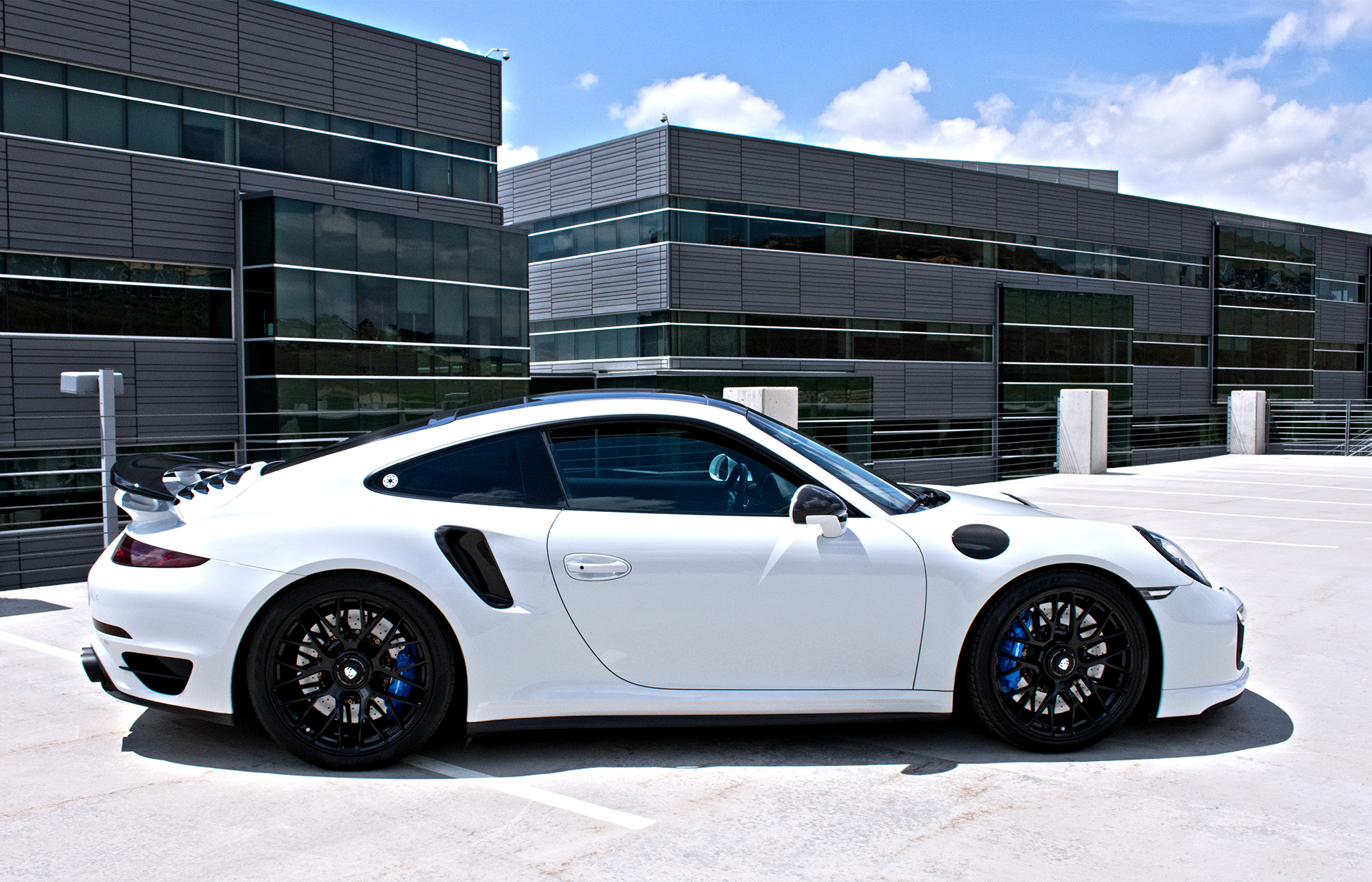
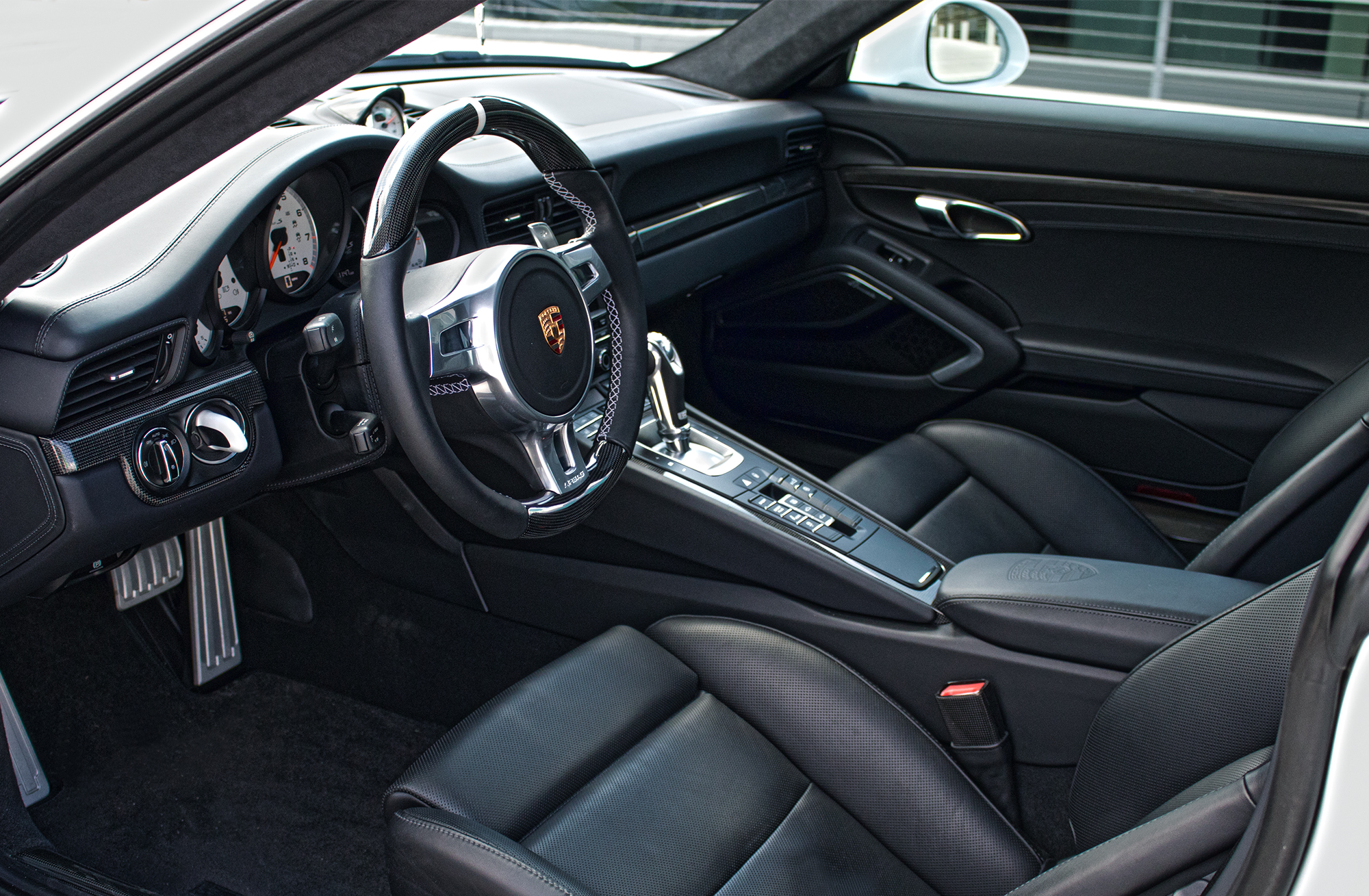
I do a lot of cosmetic stuff to my car and so periodically it makes sense (to me) to grab a few pictures of these changes. Since I fancy myself an budding car photographer I took on this mission personally (and no… this is not my iPhone camera). I figure posting six pictures of my car should be plenty since I also cobbled together a video montage. I’m certain this kind of obsessiveness will delight whoever ends up with my car someday. In the meantime I’m slightly less sure it will delight the Internet.
Plain in many ways, but beautiful…
That backside. Nothing better.
She waits patiently. But when we get underway she’s a monster.
When something is this pure the gossip is hard to come by. [Huh? What does this stuff even mean – Ed]
Some say no one “needs” a car like this. They are exactly right.
Black wasn’t my first choice when I got the car. But it’s my first choice now.
I can’t help but sing the praises of this car just a bit. In many ways it’s a nondescript monster. The handling, power and precision are unmatched. It’s the only car I’ve owned that hasn’t left me disappointed (yet). I think it’s okay to splurge on one thing. This is my thing and it’s worth every penny.
Want to hire me to take pictures of your car or put together a fun little video? That would surprise me. That being said, feel free to drop me a line if you’re in Utah.
This morning I watched the oral arguments made by both Vid Angel and Disney in the federal appeals court. It’s available online for anyone who’s interested (in fact I’ll embed here on my blog):
For anyone not familiar with Vid Angel or the current situation here is a quick summary: Vid Angel is a filtering company that allows customers to purchase movies and stream edited versions to their homes. Disney, Warner Bros. Entertainment Inc., 20th Century Fox Film Corporation and Lucasfilm Ltd. LLC are suing Vid Angel claiming that their filtering / streaming service violates copyright laws. Back in December of 2016 an injunction was filed against Vid Angel (and later upheld), effectively shutting down their service. Today was an opportunity for Vid Angel to argue against the injunction in court.
While I enjoy most of what the aforementioned entertainment companies offers (i.e. characters, parks, merchandise, etc) and understand the value of IP, I would really like to see the current injunction lifted. I think the issue of copyright here (especially in relation to the Family Movie Act and the Digital Millennium Copyright Act) is extremely complex and needs the full focus of the courts to be understood. In between now and when that court battle is actually decided I believe that Vid Angel should be allowed to operate. I strongly believe they provide a needed service, I don’t believe there is financial harm being done to the studios* and I believe the studios aren’t being fair to the end consumer.
* For those who think Vid Angel needs to get streaming licenses I make the counterpoint that what Vid Angel does is essentially a streaming version of Redbox (not illegal). However, Redbox has an agreement to delay some releases, which I think is an acceptable compromise. I will also point out that Vid Angel attempted to obtain streaming licenses and was rebuffed. I, and many others, would happily pay more for the ability to watch licensed edited movies, but if studios disallow filtering companies from obtaining those licenses then…
Based on the arguments I saw I would guess that the injunction will stay in place, in some form or another. As I already mentioned the law on copyright is difficult to interpret, (and also of note much of it was created prior to digital streaming technology). What makes me the most upset is that movie studios pretend that they are not violating our right to censor content we have purchased. It’s like throwing someone in a trunk, dumping the trunk in a lake and telling the person in the trunk they “are free to do whatever they want.” I want, no I have, the right to censor what I watch. Vid Angel provides the technology to enable that right to be realized and I genuinely hope the courts can see that there’s no viable alternative.
Vid Angel just announced there’s some “Good News” coming June 13th, at 7pm. Fingers crossed, but I’m guessing it won’t be anything too dramatic.
BONUS: Sony Pictures recently announced that they are offering cleaner version of some their movies. Predictably some directors objected- “directors” like Seth Rogen. Leave it to people in Hollywood to try force their morally bankruptcy perspective on everyone. Thanks for being a dick, Seth. If Hollywood wants to make crass garage that’s their right. If I want to edit their crass garbage that’s my right. At least Sony recognizes not everyone watching movies is a degenerate (exaggerated for effect, obviously). FYI: anyone who says “Just don’t watch those movies” absolutely misses the point.
We hear memorable sayings about living in the moment, the “now,” all the time. It’s good, solid advice. I often catch myself saying things like “I’ll feel satisfied when…” or “After such and such I’ll feel better.” This mentality robs us of our ability to appreciate what’s right in front of us. It’s misdirects our focus and attention. It can rob us of our ability to live in the present. Of our happiness.
This post may feel like it’s headed somewhere substantial, but I assure you it will be as superficial as usual. Let’s talk about my car (which is really more of a metaphor in this post). I am perpetually fixated on what parts I’m going to get, what I’m going to do and what it will be like “when.” What’s up with that? I have done a bunch of cool upgrade and all I can do is think about the next one. There must be some emotional component at play I’m not in touch with (spoiler: there is).
Realistically the Turbo S has all the power you’d ever need in a street car. But there I am online looking at the COBB AP, Kline exhaust systems and an IPD plenum. Why? So it will go a little faster? I don’t even open the car up as it sits. I live in perpetual fear of being pulled over or crashing; more power has got to the last thing I need, logically speaking. I have had some bad luck with car upgrades in the past and, again logically assessing the situation, I don’t know why I’d want to void my warranty and risk catastrophic engine failure to achieve a higher trap speed in a quarter mile I won’t even run. Insane.
Visually I’m super happy with my car. I love the black wheels, the carbon fiber accents and the ’16 styling in general. And yet… I look at rear diffusers, I consider putting in different door sills (With lighting? Yes please!), carbon fiber side view mirrors, a spoiler swap and maybe painting that rear valance… maybe I’ll just trade it in for a 2017. Again, I’m so fixated on going another round I can’t even appreciate what’s just been added, what’s right in front of me. All to common, I think.
So the question is “Why?” Is it the “more” mentality that seems to drive this generation? Is it the fear of missing out on something better? Other people have this stuff and they’re happy, right? Or maybe it’s just a hole – and emotional void – that I try to fill by dumping endless stuff into. And as I explore my feelings I begin to realize that I loath things. Not all things are bad, of course. But things are demanding. They need other things. They need your time.
Thinking about what’s next for my car isn’t limited to upgrades and modifications. No, it extends into worrying about what the next problem will be. It involves thinking about that little speaker buzz I couldn’t find, the clicking noise I imagine I hear, the fear that my boost level will drop, the transmission will fail, the car will literally fall apart. To what end? Every drive should be a chance to enjoy the car’s capabilities and performance but part of it inevitably ends up as a worry session. An opportunity to try and predict the most negative future I can imagine based off of fear. Fear controls. Things control. Somehow they have to power to grab our attention and shift it.
Things often distract us from what’s important. Every moment wasted thinking about my car is time I could have writing, reading, learning, spending time time with family, friends. Don’t get me wrong- a hobby is fine, probably even healthy. But when a pastime consumes you and tricks you into giving more time that it deserves and removes you from the now then you lose and everyone around you loses.
As I mentioned my car is a metaphor; you can substitute the idea of a car for anything, really. I chose a car because it’s clear to me that my car gets more than it’s fair share of my time. I see people who become obsessed with all kinds of things (some, like me, are not limited to just one thing): work, money, food, interior decorating, home improvements, Facebook, video games, health and exercise, travel, art, toys and phones. There are no end to worldly diversions.
So I’ve recognized a problem. What’s next? Far from being preachy this post is simply an exploration of my own feelings. None of these ideas are new to me, but I wanted to put them somewhere. I don’t have advice to dispense. After I finish this post I’ll probably look at carbon fiber car parts, see what’s new on Facebook and think about home improvements. Alas.
After I wrote this post I actually did a Google search for “living in the now” and found this TED talk. I’ll just put this here for later. Maybe what I’m really blogging about (saying) is that things can be an obstacle to our happiness. Duh. But it’s more than that. I’m also trying to convey that things can take us out of the moment. And being out of the moment can diminish our happiness.
But won’t being content and living in the moment rob us of our motivation? Maybe I’m misconstruing vision and progress as an obsession with material goods. Eh.
May 1, 2017: An Update- For the record I find that I become hyper-fixated on my car when I have something very stressful looming over me, as I do right now.
May 2, 2017 – Ah yes! Some way back when pics from the ‘ol scrapbook. This is from when we were finishing of the IT space over the storefront. That has been a great IT department, BTW.